Digital Monument to: María Félix, Pedro Nuño Colón de Portugal, 6th Duke of Veragua, Rusty Russell, Filippo Lippi, Josef Staudigl, Allan M. Ohata, Amalie Zephyrine of Salm-Kyrburg, Rainey Bethea, Bud Collyer, Paul Kalisch, Leon of Modena, Otto Luyken, Nigel Kneale, Ralph Hush, Hassan al-Hakim, Claud O'Donnell, Nils Gabriel Sefström, Pierre Eugene du Simitiere, Lenny Levy, Rainer Werner Fassbinder, Richard Dana Stone, Joan of Kent
Digital Monument to: María Félix, Pedro Nuño Colón de Portugal, 6th Duke of Veragua, Rusty Russell, Filippo Lippi, Josef Staudigl, Allan M. Ohata, Amalie Zephyrine of Salm-Kyrburg, Rainey Bethea, Bud Collyer, Paul Kalisch, Leon of Modena, Otto Luyken, Nigel Kneale, Ralph Hush, Hassan al-Hakim, Claud O'Donnell, Nils Gabriel Sefström, Pierre Eugene du Simitiere, Lenny Levy, Rainer Werner Fassbinder, Richard Dana Stone, Joan of Kent
di Luca FRIGERIO «Tante lodevoli opere fece, che fu un miracolo». Basterebbe forse questa entusiastica affermazione del Vasari per comprendere la statura artistica di Filippo Lippi, frate fiorentino dalla vita a dir poco avventurosa, pittore eccellente in quella Toscana rinascimentale già percorsa dalla rivoluzione di Masaccio. Chi, tuttavia, e giustamente, volesse verificare con i propri occhi della bontà di un simile giudizio, non ha che da recarsi al Museo Diocesano di Milano (corso di Porto Ticinese, 95), nelle cui sale, dal prossimo 16 novembre, sarà esposta una delle opere più belle del Lippi, una Natività che è un autentico idillio, dove tutto è silenzio e preghiera, contemplazione e verità. Quest'opera, scelta per l'ottava edizione della fortunata manifestazione Un capolavoro per Milano, proviene da Prato, città in cui fra' Filippo soggiornò a lungo realizzando una serie di lavori che gli storici dell'arte oggi valutano come «l'impresa più importante e più ricca di futuro» del Quattrocento artistico italiano. Si tratta di una tavola di circa un metro e mezzo per lato, originariamente conservata presso il locale convento dei domenicani, che raffigura Maria e Giuseppe in adorazione del Bambino Gesù nel contesto della "Notte Santa", con sullo sfondo la capanna con il bue e l'asino, dei giovani pastori che suonano corni e zampogne e, nell'alto dei cieli, un coro di angeliche voci. Ai lati, due santi. A sinistra il martire Giorgio, le mani giunte come la Vergine, il ...
di Luca FRIGERIO «Tante lodevoli opere fece, che fu un miracolo». Basterebbe forse questa entusiastica affermazione del Vasari per comprendere la statura artistica di Filippo Lippi, frate fiorentino dalla vita a dir poco avventurosa, pittore eccellente in quella Toscana rinascimentale già percorsa dalla rivoluzione di Masaccio. Chi, tuttavia, e giustamente, volesse verificare con i propri occhi della bontà di un simile giudizio, non ha che da recarsi al Museo Diocesano di Milano (corso di Porto Ticinese, 95), nelle cui sale, dal prossimo 16 novembre, sarà esposta una delle opere più belle del Lippi, una Natività che è un autentico idillio, dove tutto è silenzio e preghiera, contemplazione e verità. Quest'opera, scelta per l'ottava edizione della fortunata manifestazione Un capolavoro per Milano, proviene da Prato, città in cui fra' Filippo soggiornò a lungo realizzando una serie di lavori che gli storici dell'arte oggi valutano come «l'impresa più importante e più ricca di futuro» del Quattrocento artistico italiano. Si tratta di una tavola di circa un metro e mezzo per lato, originariamente conservata presso il locale convento dei domenicani, che raffigura Maria e Giuseppe in adorazione del Bambino Gesù nel contesto della "Notte Santa", con sullo sfondo la capanna con il bue e l'asino, dei giovani pastori che suonano corni e zampogne e, nell'alto dei cieli, un coro di angeliche voci. Ai lati, due santi. A sinistra il martire Giorgio, le mani giunte come la Vergine, il ...
Marriage Alliance in Late Medieval Florence (Harvard Historical Studies, Vol 114) Review
Marriage Alliance in Late Medieval Florence (Harvard Historical Studies, Vol 114) Overview
How did propertied families in late medieval and early modern Florence maintain their power and affluence while equally important clans elsewhere were fatally undermined by the growth of commerce and personal freedom, and the consequences of the Plague? Drawing on a vast array of archival research - from letters and memoirs to fiscal declarations to records of the Dowry Fund, Anthony Molho suggests that the answer is found in the twin institutions of arranged marriage and the dowry. Molho focuses on the relations between Florentine families of this period and demonstrates that the links among families - created by arranged marriages within a narrow and well-defined social class, a system of dowries that was a combination of speculation and manipulation, and an entrenched memory of these processes - account for the resilience of this ruling class. The individuals or single families whose records Molho has scrutinized, as well as his analysis of several thousand marriages over nearly a century and a half, illuminate a culture that consistently and relentlessly subordinated individual goals and preferences to larger and deeper concerns. The book combines the application of quantitative methods and close reading of contemporary texts in order to gain new insights into the history of Florence in the late Middle Ages.
(asin:0674550706)
Related Products
Update Post: Jan 13, 2011 06:30:31
Marriage Alliance in Late Medieval Florence (Harvard Historical Studies, Vol 114) Review
Marriage Alliance in Late Medieval Florence (Harvard Historical Studies, Vol 114) Overview
How did propertied families in late medieval and early modern Florence maintain their power and affluence while equally important clans elsewhere were fatally undermined by the growth of commerce and personal freedom, and the consequences of the Plague? Drawing on a vast array of archival research - from letters and memoirs to fiscal declarations to records of the Dowry Fund, Anthony Molho suggests that the answer is found in the twin institutions of arranged marriage and the dowry. Molho focuses on the relations between Florentine families of this period and demonstrates that the links among families - created by arranged marriages within a narrow and well-defined social class, a system of dowries that was a combination of speculation and manipulation, and an entrenched memory of these processes - account for the resilience of this ruling class. The individuals or single families whose records Molho has scrutinized, as well as his analysis of several thousand marriages over nearly a century and a half, illuminate a culture that consistently and relentlessly subordinated individual goals and preferences to larger and deeper concerns. The book combines the application of quantitative methods and close reading of contemporary texts in order to gain new insights into the history of Florence in the late Middle Ages.
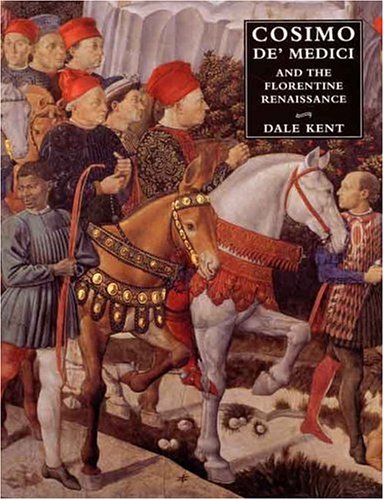
Cosimo de` Medici and the Florentine Renaissance Review
Cosimo de` Medici and the Florentine Renaissance Overview
This remarkable book is the first to examine all the art and architecture commissioned by Florence's leading patron of the fifteenth century, Cosimo de' Medici. These spectacular commissions, when viewed together, provide an entirely new picture of Cosimo, his point of view, his motivations and intentions as a patron, and the themes that permeate his oeuvre. "Kent's splendid book is a stunningly innovative treatment of the patronage of art by Cosimo de' Medici. She sets a new standard for studies of the Medici and indeed all cultural phenomena in Florence."-Brenda Preyer
Cosimo de` Medici and the Florentine Renaissance Review
Cosimo de` Medici and the Florentine Renaissance Overview
This remarkable book is the first to examine all the art and architecture commissioned by Florence's leading patron of the fifteenth century, Cosimo de' Medici. These spectacular commissions, when viewed together, provide an entirely new picture of Cosimo, his point of view, his motivations and intentions as a patron, and the themes that permeate his oeuvre. "Kent's splendid book is a stunningly innovative treatment of the patronage of art by Cosimo de' Medici. She sets a new standard for studies of the Medici and indeed all cultural phenomena in Florence."-Brenda Preyer
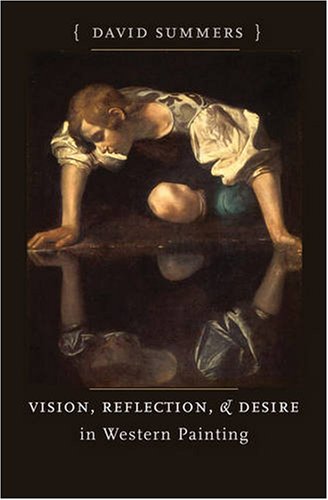
Vision, Reflection, and Desire in Western Painting (Bettie Allison Rand Lectures in Art History) Review
Vision, Reflection, and Desire in Western Painting (Bettie Allison Rand Lectures in Art History) Feature
ISBN13: 9780807831106
Condition: New
Notes: BUY WITH CONFIDENCE, Over one million books sold! 98% Positive feedback. Compare our books, prices and service to the competition. 100% Satisfaction Guaranteed
Vision, Reflection, and Desire in Western Painting (Bettie Allison Rand Lectures in Art History) Overview
Spanning more than 2,500 years in the history of art, this book demonstrates how the rise and diffusion of the science of optics in ancient Greece and the Mediterranean world correlated to pictorial illusion in the development of Western painting from Hellenistic Greece to the present. The spread of understanding of how light is transmitted, reflected, and refracted is evident in the works of artists such as Brunelleschi, van Eyck, Alberti, and Leonardo. The interplay between optics and painting that influenced the course of Western art, Summers says, persisted as a framework for the realism of Caravaggio, Rembrandt, and Goya and continues today in modern photography and film. With 12 color and 79 b&w illus.
Vision, Reflection, and Desire in Western Painting (Bettie Allison Rand Lectures in Art History) Review
Vision, Reflection, and Desire in Western Painting (Bettie Allison Rand Lectures in Art History) Feature
ISBN13: 9780807831106
Condition: New
Notes: BUY WITH CONFIDENCE, Over one million books sold! 98% Positive feedback. Compare our books, prices and service to the competition. 100% Satisfaction Guaranteed
Vision, Reflection, and Desire in Western Painting (Bettie Allison Rand Lectures in Art History) Overview
Spanning more than 2,500 years in the history of art, this book demonstrates how the rise and diffusion of the science of optics in ancient Greece and the Mediterranean world correlated to pictorial illusion in the development of Western painting from Hellenistic Greece to the present. The spread of understanding of how light is transmitted, reflected, and refracted is evident in the works of artists such as Brunelleschi, van Eyck, Alberti, and Leonardo. The interplay between optics and painting that influenced the course of Western art, Summers says, persisted as a framework for the realism of Caravaggio, Rembrandt, and Goya and continues today in modern photography and film. With 12 color and 79 b&w illus.